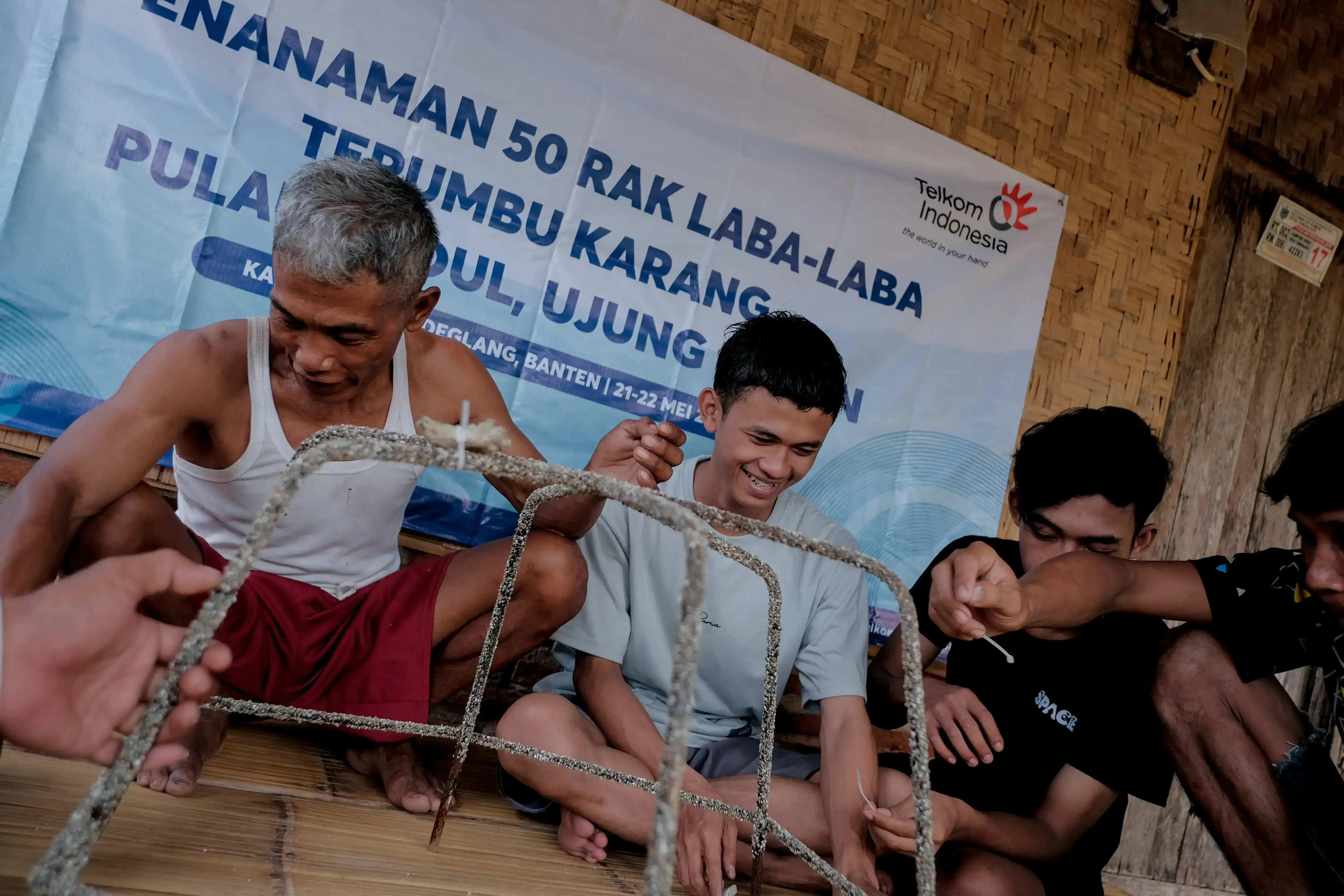
Jakarta - Indonesia’s coral reef ecosystems, recognized as among the richest in the world, are currently facing increasing pressure. Reports from NOAA and the International Coral Reef Initiative (ICRI) in 2025 indicate that 84% of the world’s coral reefs have been affected by mass bleaching due to rising sea temperatures. Meanwhile, data from the Ministry of Marine Affairs and Fisheries (KKP) and the National Research and Innovation Agency (BRIN) in 2025 highlight extensive physical damage caused by tourism activities and pollution. The degradation of coral reef quality not only threatens marine biodiversity but also directly impacts coastal protection, weakens ecosystem resilience, and undermines the sustainability of coastal livelihoods.
As part of its commitment to preserving coastal ecosystems, Telkom Indonesia has taken concrete action by initiating the rehabilitation and replanting of 17,855 coral reef seedlings across various coastal areas in Indonesia. The program focuses on restoring degraded marine areas to improve ecosystem quality that has declined due to environmental pressures. Through this initiative, Telkom aims to restore the vital functions of coral reefs by implementing distributed coral planting as a natural barrier to support the stability of Indonesia’s coastal ecosystems.
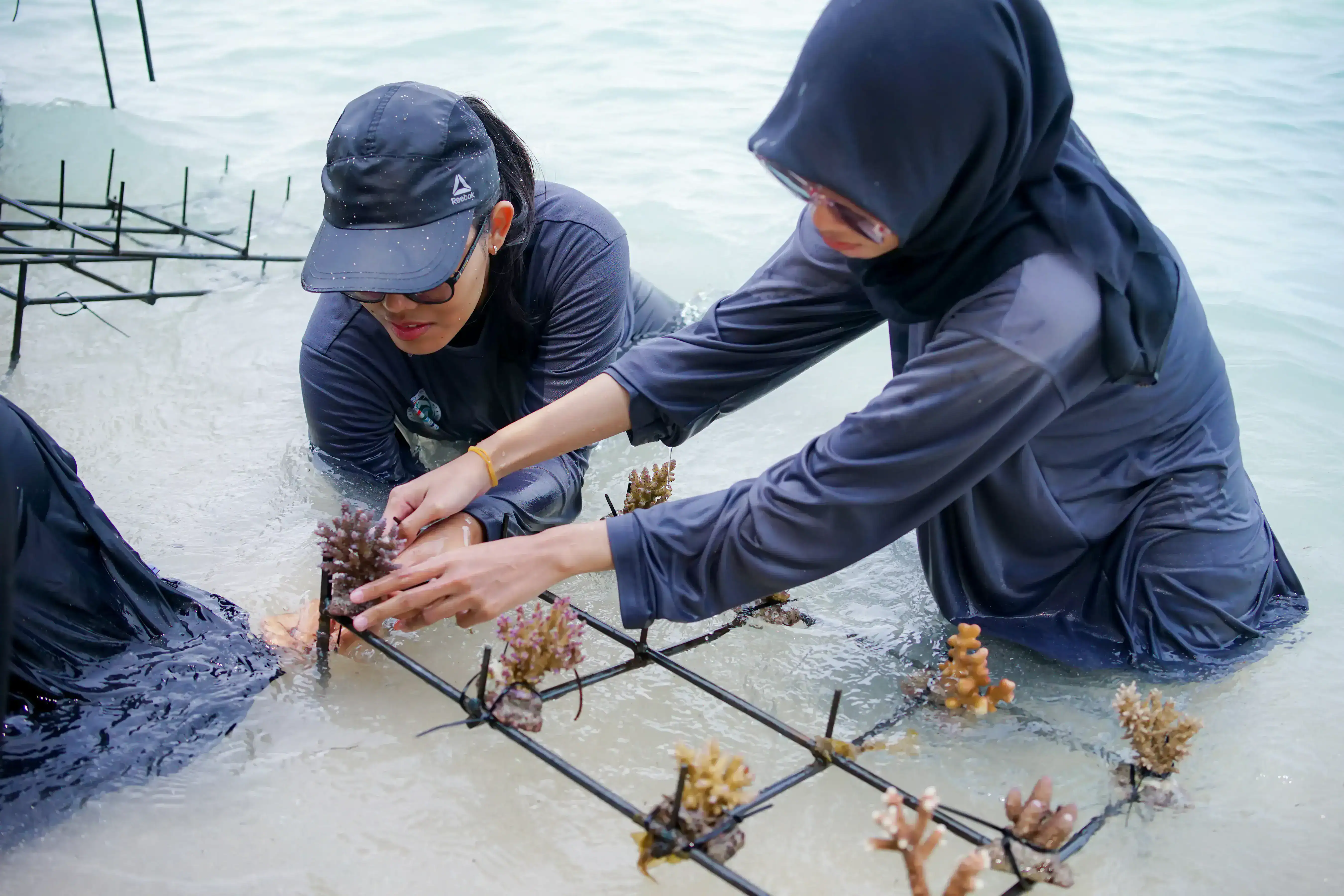
The coral reef planting program was implemented across nine locations in Indonesian waters, including the Bangsring Underwater Conservation Area in Banyuwangi, Badul Island in Pandeglang, Tanjung Tiram Village in South Konawe, Waecicu Beach in Labuan Bajo, and Tikus Island in Bengkulu. The initiative also reached Tunda Island in Banten, Karimunjawa National Park in Jepara, Bone Tambu Island in Makassar, and the coastal waters of Halasi Beach in Central Maluku. All locations were selected based on the specific ecosystem restoration needs of each marine area.
“As a company committed to digital transformation, we believe that a sustainable future can only be achieved if our natural ecosystems remain intact. Through the planting of 17,855 coral reef seedlings, Telkom not only focuses on building digital connectivity on land, but also takes an active role in safeguarding the connectivity of marine ecosystems that serve as a vital source of life for Indonesian communities,” said Hery Susanto, Senior General Manager of Social Responsibility at Telkom Indonesia.
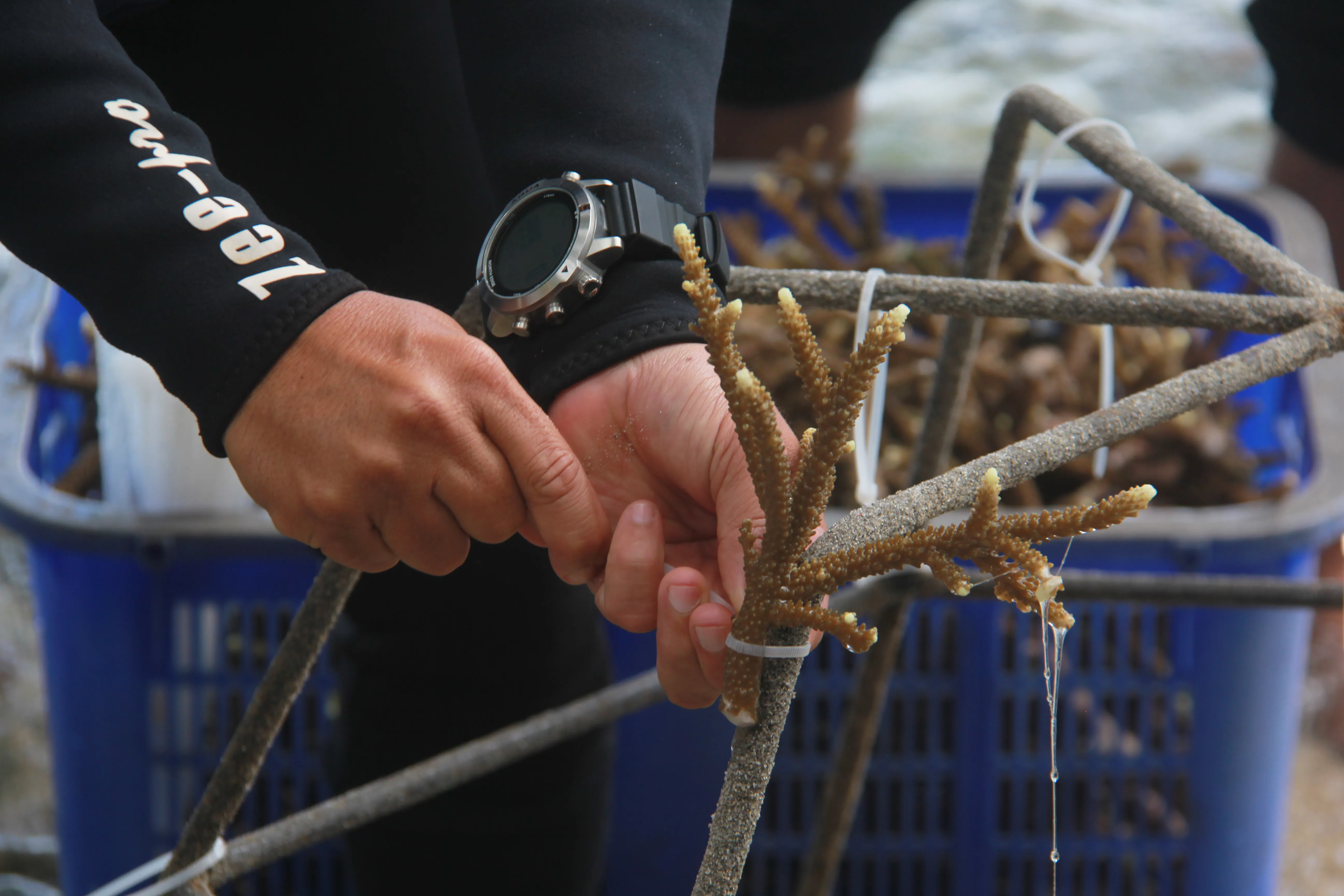
This marine ecosystem restoration initiative reflects Telkom Indonesia’s ongoing commitment to implementing Social and Environmental Responsibility (TJSL). The program aligns with Sustainable Development Goal (SDG) 14: Life Below Water. Through this consistent effort, Telkom Indonesia demonstrates that digital innovation and environmental sustainability can progress hand in hand to create a bluer, healthier, and more resilient future for Indonesia.
 Whatsapp
 Facebook
 X
X
 Copy News Link