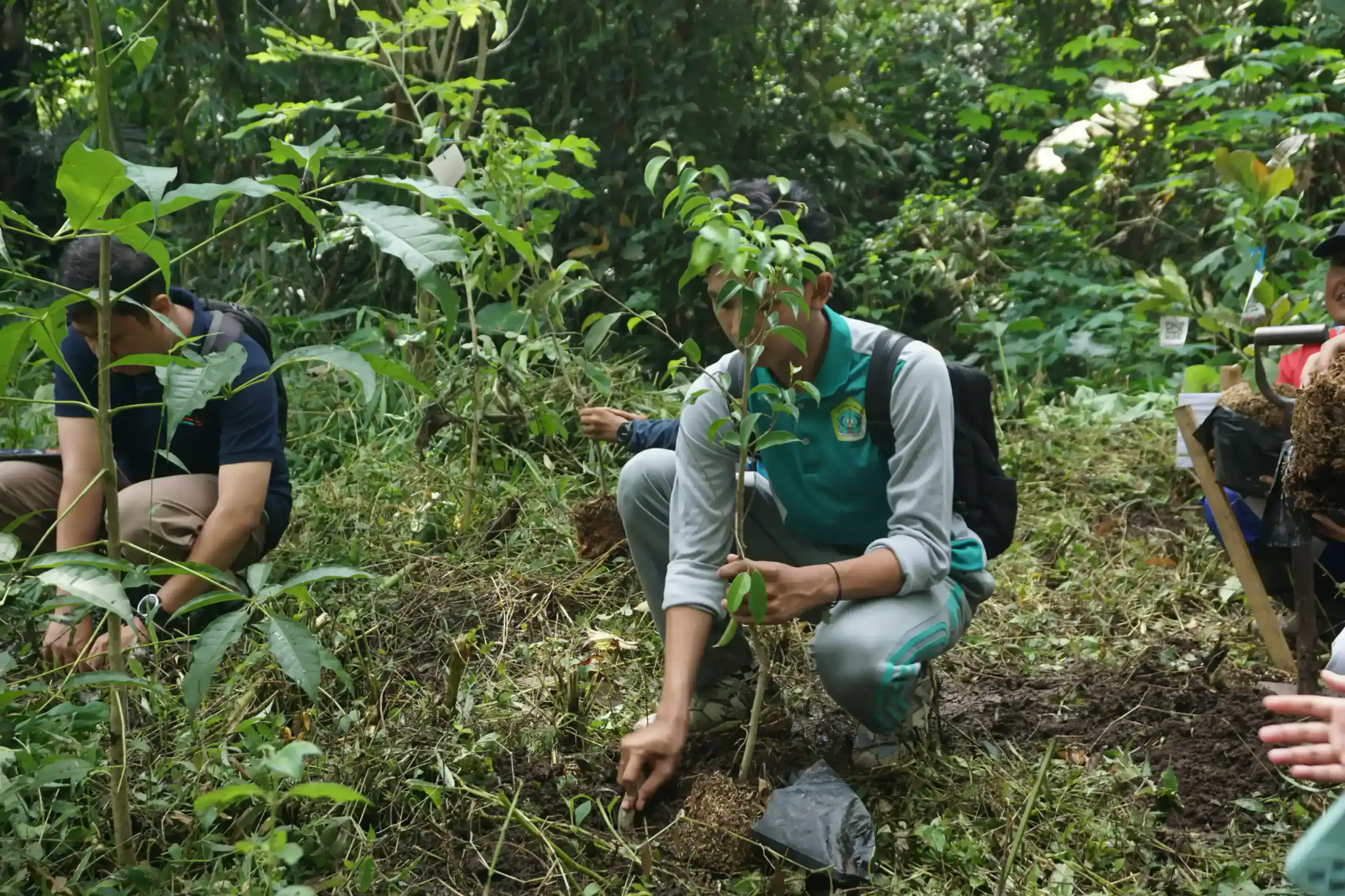
Malang - Driven by a deep concern for environmental quality, Himpunan Penggiat Adiwiyata Indonesia (HPAI) DPW Malang Raya has emerged as a social community that consistently promotes education and concrete environmental action. Founded on March 5, 2020, by Sulaiman Sulang, the community is an integral part of the national HPAI organization and aims to become a creative, productive, and innovative platform. Since its establishment, HPAI DPW Malang Raya has been committed to advancing Adiwiyata schools through environmental-based training to foster a generation that is aware of climate change and environmental preservation. Through a participatory approach, the community has grown into a collaborative space for environmental activists across the Greater Malang region and beyond.
Throughout its journey, HPAI DPW Malang Raya has demonstrated that the spirit of volunteerism can transcend limitations. Operating independently through member contributions and without political or mass-organization affiliations, the community continues to carry out impactful field actions. To date, they have planted 26,000 tree seedlings across East Java and pioneered waste management initiatives through the Smart Waste School Program and the Indonesian Waste Donation Movement. These tangible efforts contribute directly to SDG 13 on Climate Action. In addition, their commitment to environmental literacy is reflected in the publication of six environmental learning modules that serve as practical guides for schools throughout Indonesia.
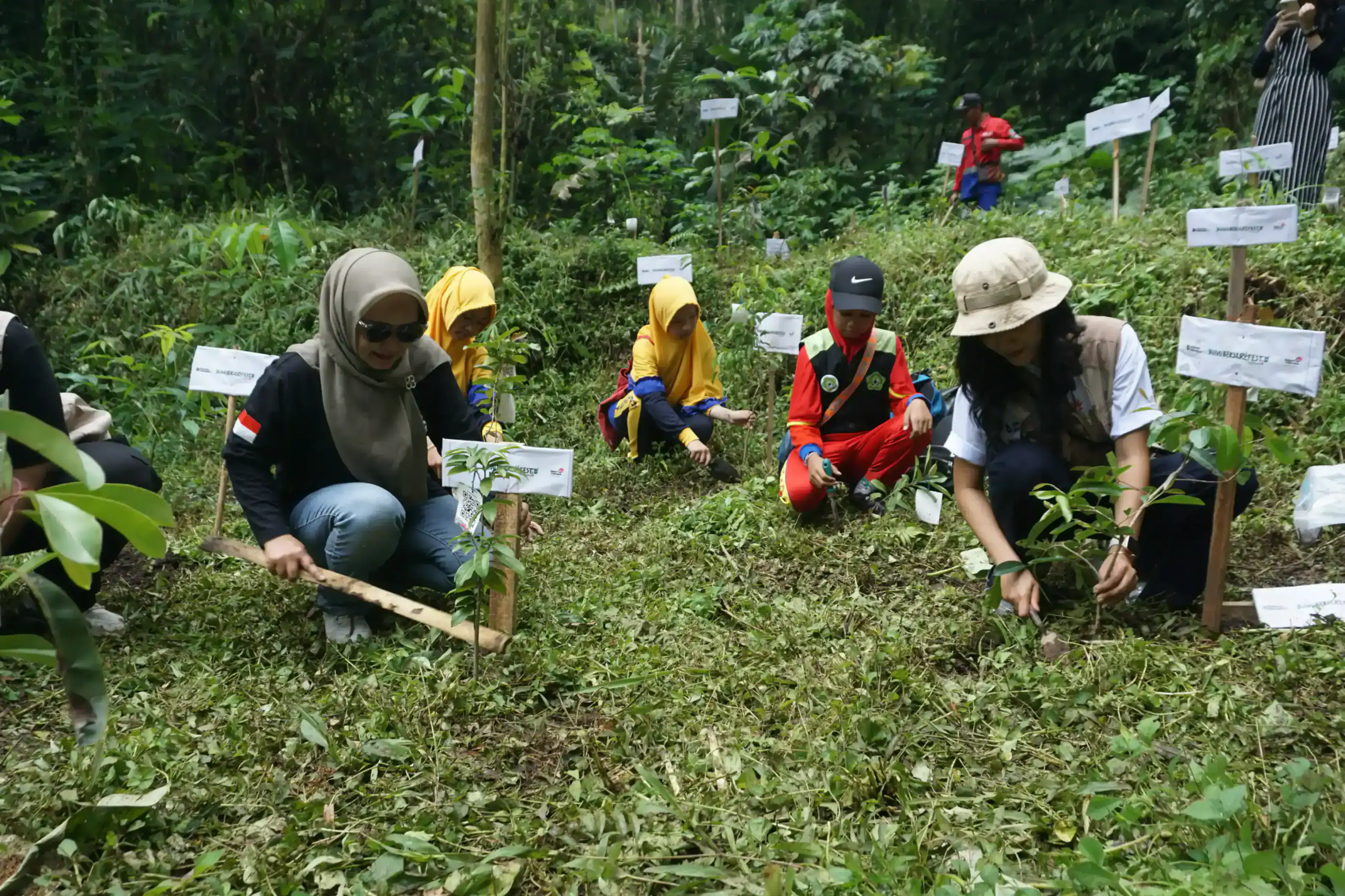
This dedication to land and ecosystem conservation led HPAI DPW Malang Raya to be named the Winner of Bumi Berseru Fest (BBF) 2025 in the Action for the Earth category, sub-category Land Conservation. This achievement marked a pivotal moment, strengthening their role as a key driver of terrestrial ecosystem restoration. Through mentoring support from the BBF program by Telkom Indonesia, HPAI DPW Malang Raya’s field actions are now more measurable, ranging from water spring conservation to strengthening circular economy initiatives integrated with village development programs.
The victory at BBF 2025 also created opportunities for local economic empowerment by developing regional potential. This impact has been directly acknowledged by local communities who have experienced tangible benefits. Residents noted that preserving water sources has indirectly supported economic activities and holds long-term potential to transform conservation areas into eco-tourism destinations, ultimately increasing local MSME income. They also emphasized the importance of continuous education alongside reforestation to support sustainable village enterprises.
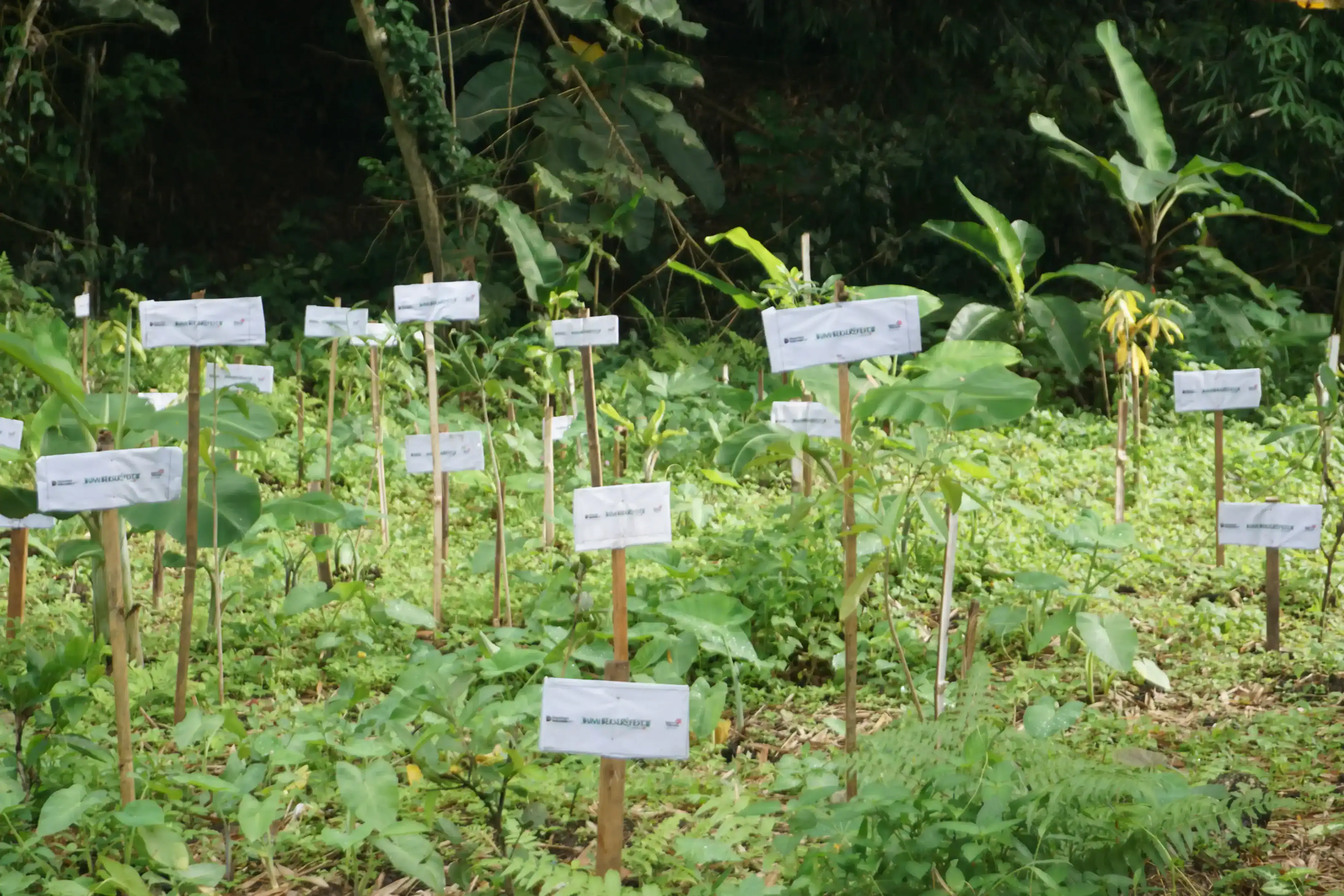
The success of HPAI DPW Malang Raya’s initiatives is rooted in five key factors: multi-stakeholder collaboration, shared vision, the application of circular economy principles, alignment with village development programs, and early environmental education for younger generations. Moving forward, HPAI DPW Malang Raya hopes that the momentum of Bumi Berseru Fest will continue to serve as a platform to expand benefits for local communities and environmental sustainability across Indonesia. More information about the movement is available at bumiberserufest.id.
 Whatsapp
 Facebook
 X
X
 Copy News Link