Jakarta – In Indonesia, around 8.5 percent of the population, or more than 22 million people, are persons with disabilities. However, amid the acceleration of digital transformation, many of them still face limited access to technology, training, and digital skills development. This gap puts persons with disabilities at risk of being left behind in economic and social opportunities that increasingly rely on digital capabilities.
On the other hand, digital skills have become a key factor in opening access to employment, education, and economic independence. Without inclusive support, digital transformation can widen inequality rather than serve as a tool for empowerment. This condition highlights the need for active involvement from various stakeholders to ensure that technological progress can be enjoyed equally by all segments of society, including persons with disabilities.
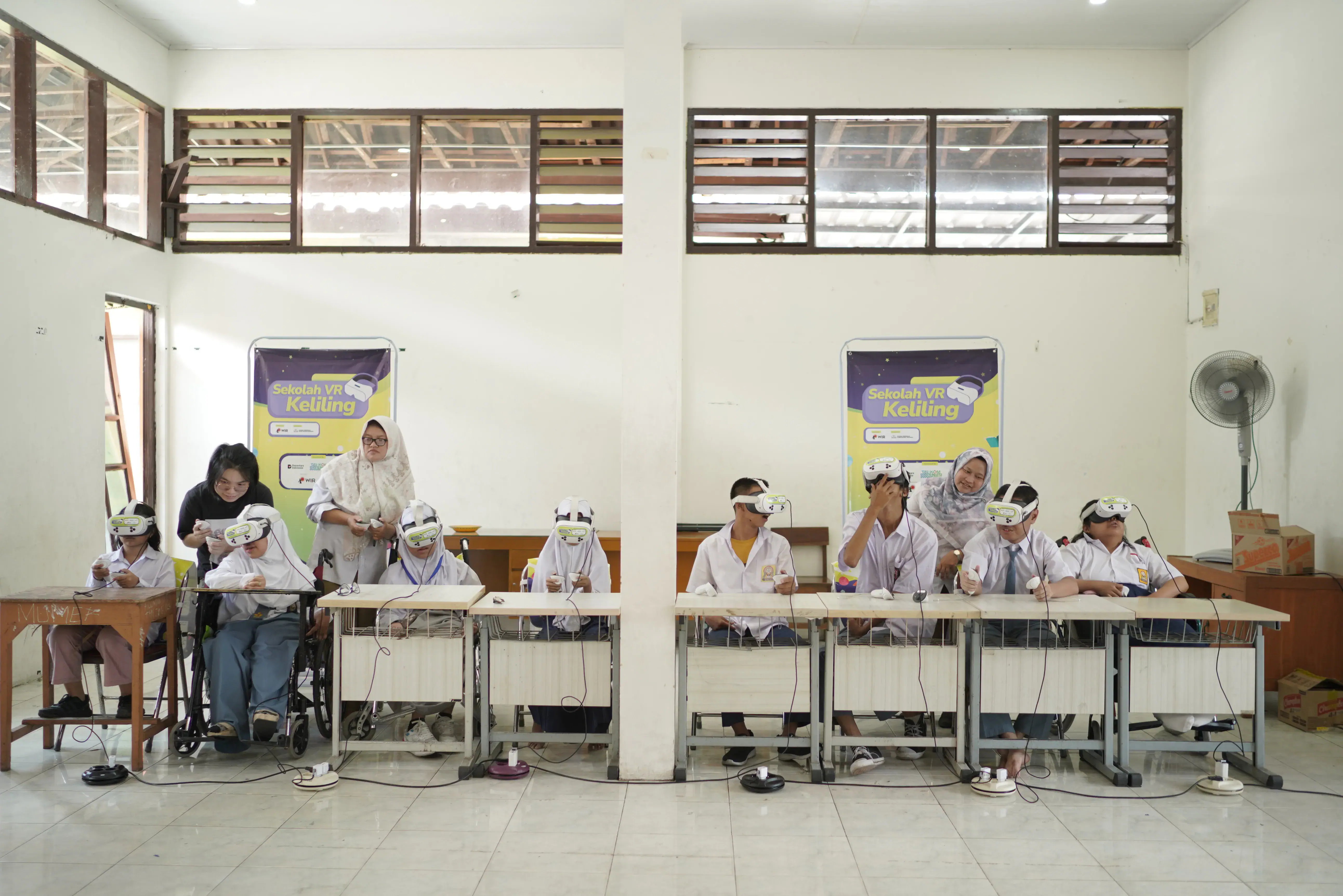
As part of its commitment to supporting digital inclusivity, Telkom Indonesia organized various training programs for persons with disabilities throughout 2025. Through these initiatives, Telkom Indonesia reached 682 participants with disabilities who took part in digital capacity-building training. This program is part of Telkom’s efforts to ensure that digital transformation is accessible to all levels of society without exception.
The training programs were conducted offline in several regions, including Jakarta, Tangerang, Bandung, Yogyakarta, Surabaya, and Tarakan, as well as through online platforms to reach a wider audience. The training materials focused on digitalization and strengthening digital skills to prepare participants better to face challenges and opportunities in the digital era. This approach was designed to accommodate the diverse needs and conditions of each participant.
Through this program, Telkom Indonesia not only provides access to learning but also encourages persons with disabilities to build confidence and actively participate in the digital ecosystem. As a digital company, Telkom believes that technology plays a strategic role in opening new opportunities, increasing independence, and expanding economic access for vulnerable groups. In this way, digital transformation can become an inclusive and sustainable empowerment tool.

"The National Disability Month serves as a momentum for Telkom Indonesia to reaffirm its commitment to building an inclusive and equitable digital ecosystem. Through digital training for persons with disabilities, we aim to ensure that technological advancements are accessible to all and to provide tangible benefits that enhance participants’ capacity and independence. This initiative aligns with Telkom Indonesia’s role as a digital company that leverages technology to create sustainable social impact,” said Hery Susanto, Senior General Manager of Social Responsibility at Telkom Indonesia.
The training program for persons with disabilities is part of Telkom Indonesia’s implementation of its Social and Environmental Responsibility (TJSL), which focuses on community empowerment and strengthening human resource capacity. This initiative also supports the achievement of the Sustainable Development Goals (SDGs), particularly SDG 4 (Quality Education), SDG 8 (Decent Work and Economic Growth), and SDG 10 (Reduced Inequalities). Through these ongoing efforts, Telkom Indonesia hopes to continue creating inclusive, sustainable, positive impacts for all segments of society.
 Whatsapp
 Facebook
 X
X
 Copy News Link