RANGKASBITUNG, October 12, 2026 – Strengthening numeracy skills is essential to improving education quality and preparing the younger generation to face technological advancements. According to the 2025 Indonesian Education Report Card (Rapor Pendidikan Indonesia 2025), the share of elementary school (SD/MI) students meeting minimum numeracy competency rose from 39.04% in 2022 to 52.48% in 2024. While this progress is commendable, it indicates that nearly one in two students still has not reached minimum numeracy proficiency. This condition underscores the need for continuous efforts to strengthen students' foundational skills early on, including in Underdeveloped, Frontier, and Outermost (3T) regions.
Numeracy is not merely about counting skills; it serves as a foundation for students to think logically, solve problems, and understand developments in science and technology, including artificial intelligence (AI). Therefore, strengthening numeracy requires an approach that goes beyond subject-matter mastery to build conceptual understanding through practical, interactive, and enjoyable learning experiences. On the other hand, enhancing teacher capacity and providing appropriate teaching aids are crucial factors for effectively implementing these learning methods in the classroom.
Addressing these needs, TelkomGroup—through its Corporate Social and Environmental Responsibility (TJSL) program under the "Bersama Jadi BISA" umbrella—introduced BISA PandAI Numerasi, a strategic initiative designed to strengthen the basic competencies of elementary school teachers and students, particularly in 3T regions. Through this program, Telkom builds educator capacity and promotes the adoption of relevant learning methods to strengthen students' numeracy foundations and critical thinking skills, while also providing educational learning tools.
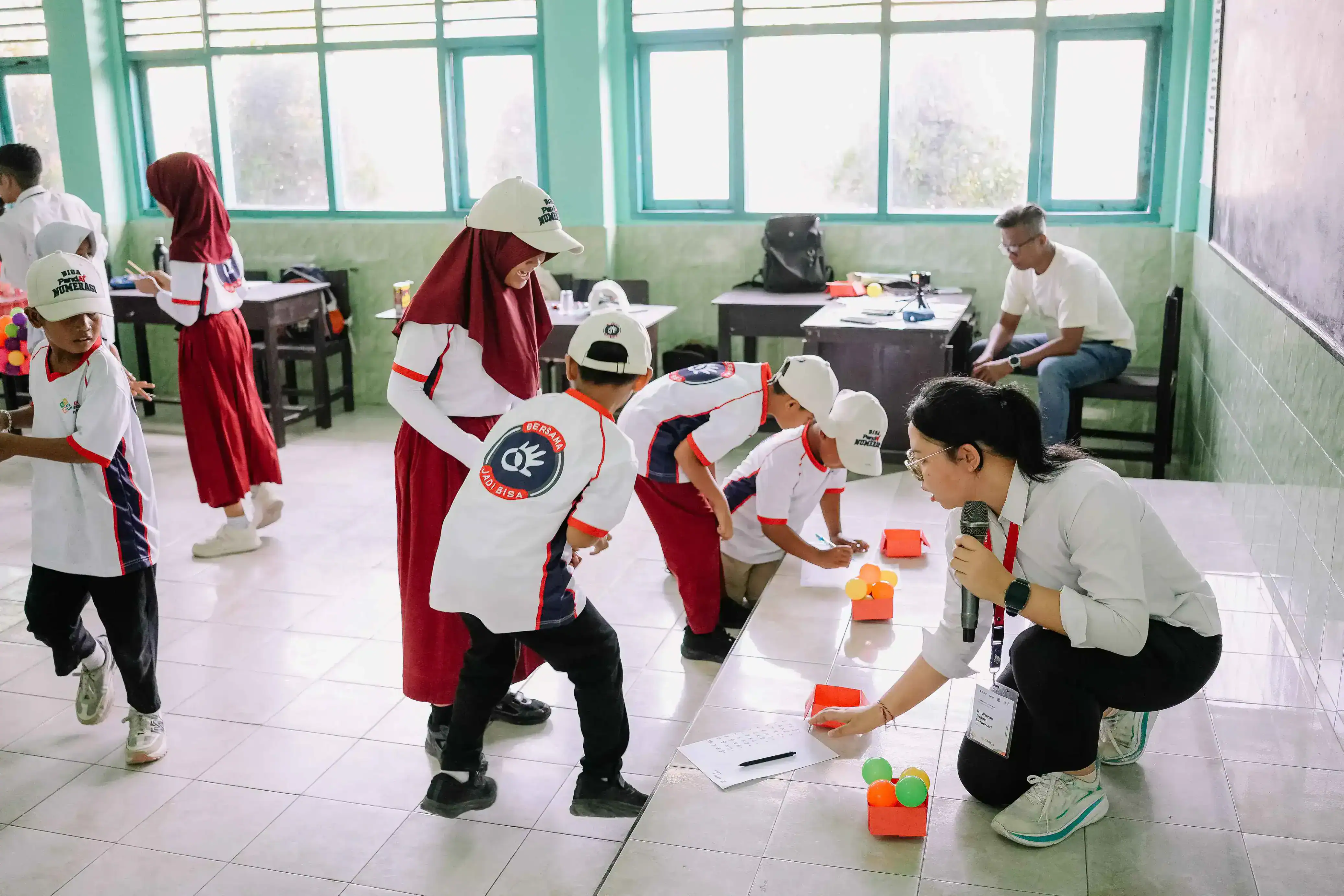
BISA PandAI Numerasi integrates teacher competency enhancement, the provision of numeracy and Science, Technology, Engineering, and Mathematics (STEM) learning tools, and an interactive, practical, and fun learning approach. By using learning methods that help students grasp mathematical concepts step by step, the program encourages teachers to deliver more effective, participatory learning experiences. This approach is expected to boost student interest in math and science while strengthening logical, critical thinking, and problem-solving skills from an early age.
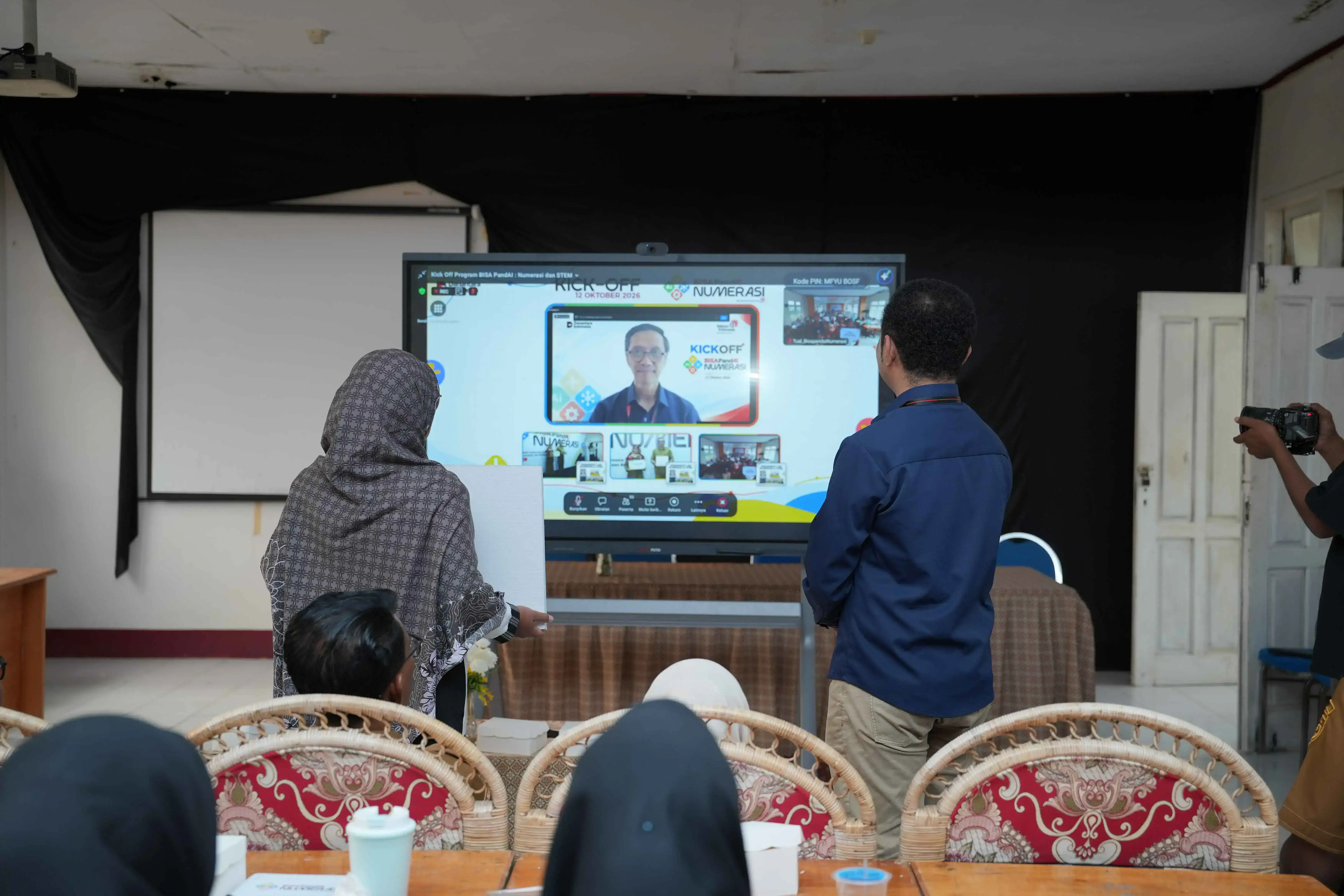
TelkomGroup’s commitment to expanding access to quality learning was marked by the hybrid kick-off of BISA PandAI Numerasi on October 12, 2026, held at Plasa Telkom Rangkasbitung and connected online with educators at Plasa Telkom Tual. The program covers three regions: Lebak Regency, Banten; North Lombok Regency, West Nusa Tenggara; and Tual City, Maluku.
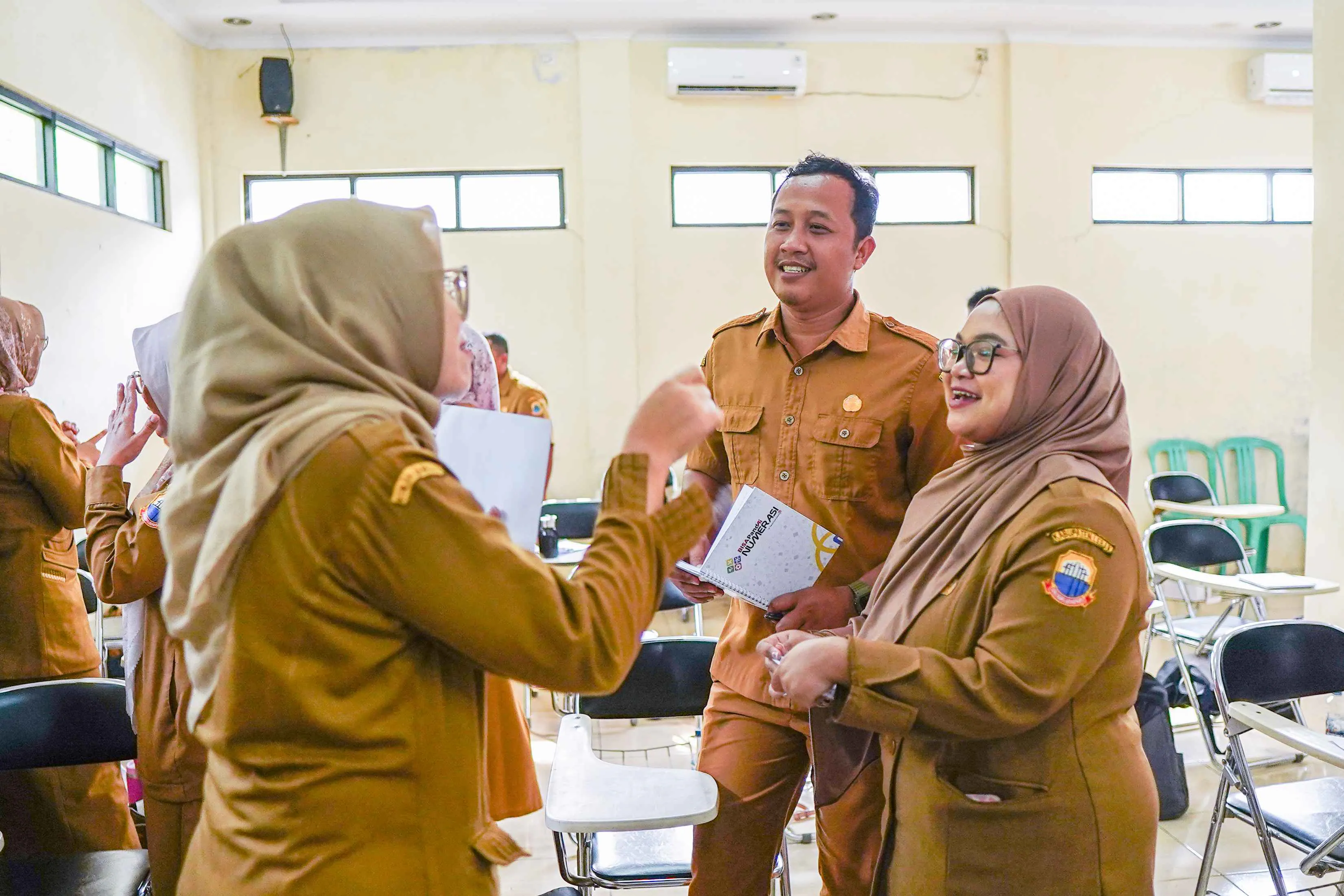
38 teachers attended the kick-off event in person in Lebak Regency, and educators from North Lombok Regency and Tual joined online. This execution across the three regions is part of TelkomGroup's effort to broaden equal learning opportunities while strengthening teachers' role as drivers of educational quality improvement in schools.
The launch event was attended by Telkom Chief Human Capital Officer Willy Saelan, Telkom Indonesia Senior General Manager of Social Responsibility Hery Susanto, Prof. Yohanes Surya as the creator of the GASING method, and Prof. Malia Dinia Husni Rahiem, M.A., Ph.D. as Special Staff to the Minister of Primary and Secondary Education for STEM. Also present was Rahmat, S.STP., Regional Assistant for Economy and Development of Rangkasbitung, representing the local government.
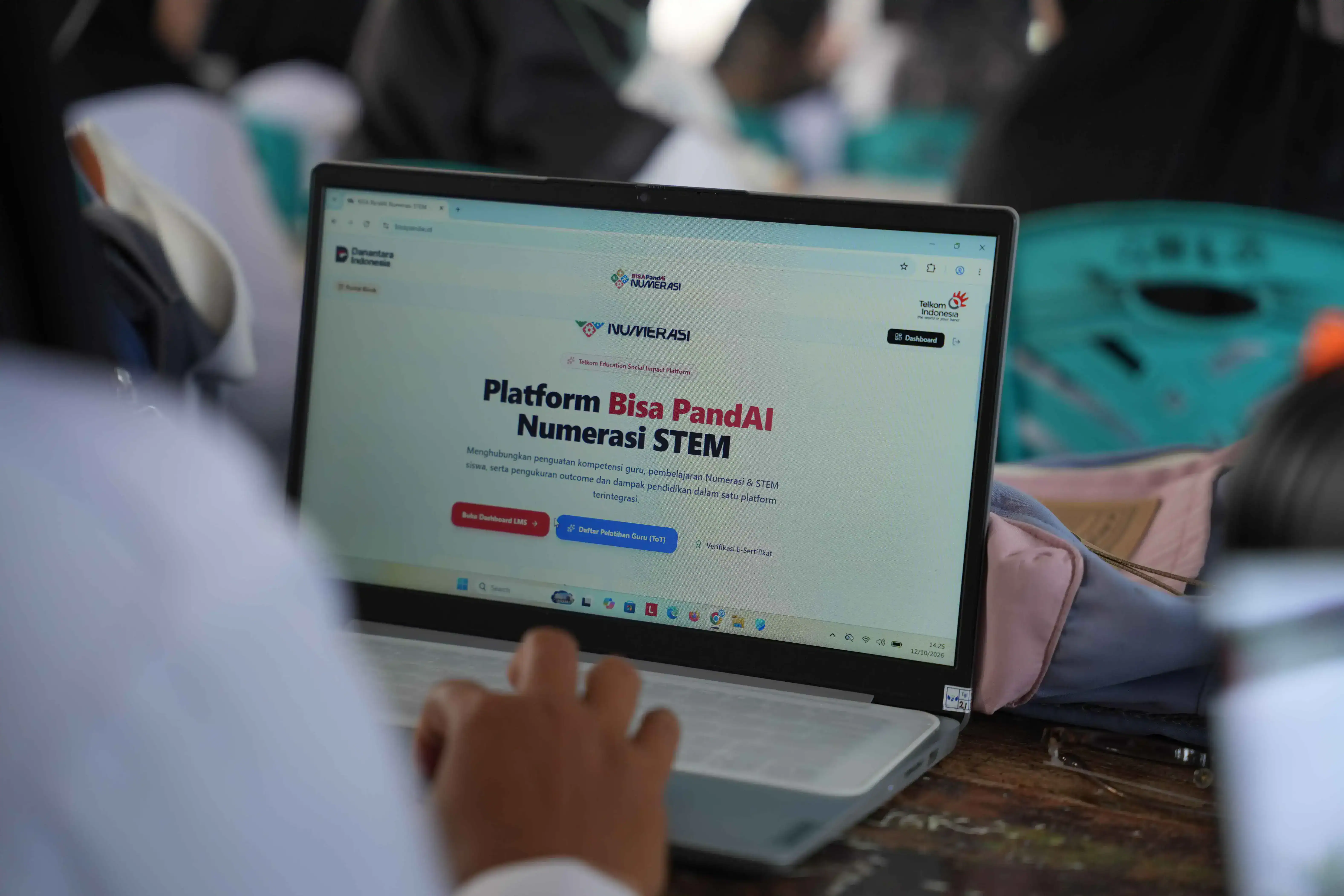
BISA PandAI Numerasi is implemented in integrated, sustainable stages over approximately three months, from program preparation to developing teacher champions. The initial phase begins with a pre-launch to introduce the program and build enthusiasm for numeracy and STEM learning, followed by a three-week teacher capacity-building period through Training of Trainers (ToT) sessions to enhance teachers' abilities to implement interactive, accessible learning methods.
Next, the program enters a two-month classroom implementation phase, running from week four to week eleven. During this phase, teachers apply the learned teaching methods directly with students, supported by numeracy and STEM learning kits. This process also provides an opportunity to document learning progress, explore simple projects, and encourage students to understand concepts through hands-on practice and problem-solving.
The program then continues with STEM Challenge Day in week twelve, giving teachers and students a platform to showcase learning outcomes, creativity, and solutions developed through the STEM approach. Next, the program transitions into the Teacher Champion phase in week thirteen, focusing on sharing best practices, reinforcing competencies, and spreading instructional inspiration so the program's impact continues to expand within school environments.
To support implementation, TelkomGroup provides STEM lab kits to participating schools. This support lets students explore numeracy and STEM concepts through more hands-on activities. After reinforcing their basic mathematical foundation, students will also be encouraged to participate in the STEM Challenge Project to hone their creativity, critical thinking, and science- and technology-based problem-solving skills.
Through implementation in Lebak Regency, North Lombok Regency, and Tual City, the program aims to strengthen educator capacity while enriching students' learning experiences in targeted regions. For TelkomGroup, program success is measured not merely by the number of participating schools or learning kits distributed, but by the optimal utilization of facilities, teacher competency growth, and students' numeracy progress. Therefore, implementation mentoring and impact evaluation are vital components in ensuring sustainable benefits.
TelkomGroup CHCO Willy Saelan said strengthening numeracy and STEM is essential to building an inclusive educational ecosystem that adapts to modern advancements.
"As a digital company, Telkom Indonesia is committed to presenting solutions that deliver tangible impacts on improving the quality of education in Indonesia. Through BISA PandAI Numerasi, we not only provide learning tools, but also strengthen teacher capacity and encourage technology use through interactive, practical learning approaches. We believe early numeracy reinforcement is a crucial foundation for Indonesian children to think critically, solve problems, and unlock their potential as they face a digital future. Through collaboration and sustainable impact evaluation, we hope this program will deliver real benefits in raising educational quality, including for students in 3T regions," said Willy.
This initiative is part of TelkomGroup's Social and Environmental Responsibility (TJSL) under the BISA PandAI education pillar and supports the achievement of the Sustainable Development Goals (SDGs), specifically SDG 4: Quality Education. By integrating teacher competency enhancement, technology utilization, and STEM-based learning, TelkomGroup continues to promote equal access to quality education while building strong foundational skills for Indonesia's youth.
Aligned with the "Bersama Jadi BISA" spirit, TelkomGroup remains committed to providing educational initiatives that meet community needs and keep pace with modern developments. Through BISA PandAI Numerasi, TelkomGroup hopes more Indonesian children will have the opportunity to strengthen their numeracy skills, foster creativity, and prepare to become an innovative, productive generation for the future.
 Whatsapp
 Facebook
 X
X
 Copy News Link