JAKARTA, August 8, 2026 - The use of artificial intelligence (AI) in education has become a key driver in accelerating the transformation of teaching and learning methods in today's digital era. Based on APJII data from 2026, AI in educational institutions currently covers only 18% of staff and teacher needs, such as syllabus creation, document summarization, and assessment preparation. Meanwhile, another 24.1% is used to develop and personalize more effective learning content for students.
Answering this challenge, TelkomGroup stepped forward through the Bisa PandAI educational pillar and the Bisa Mahir program as a strategic initiative to accelerate technology adoption in the education sector. This program is designed to enhance educators' capabilities in integrating AI as a smart assistant, helping teachers prepare teaching materials, develop creative learning modules, and create interactive student worksheets.
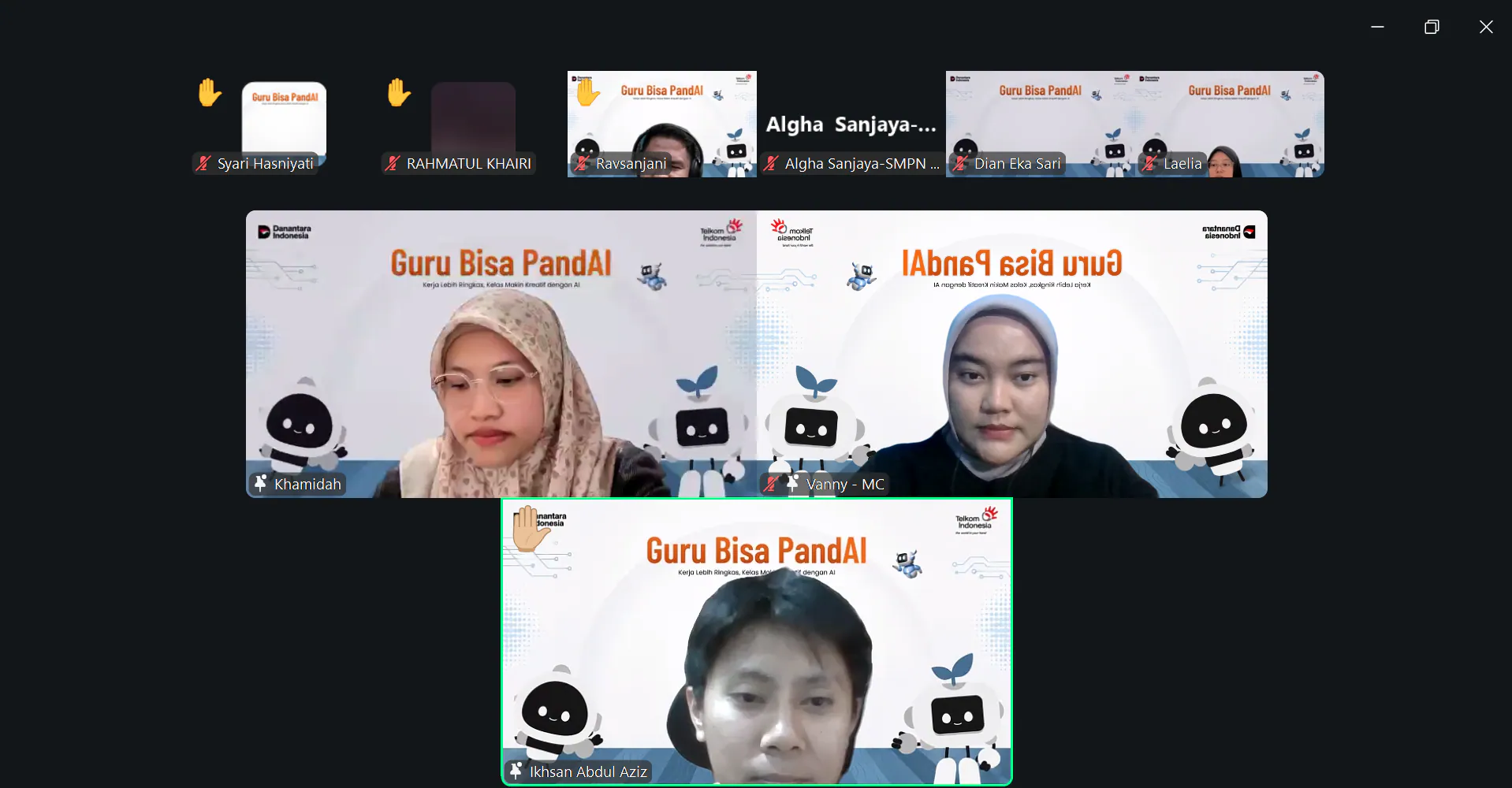
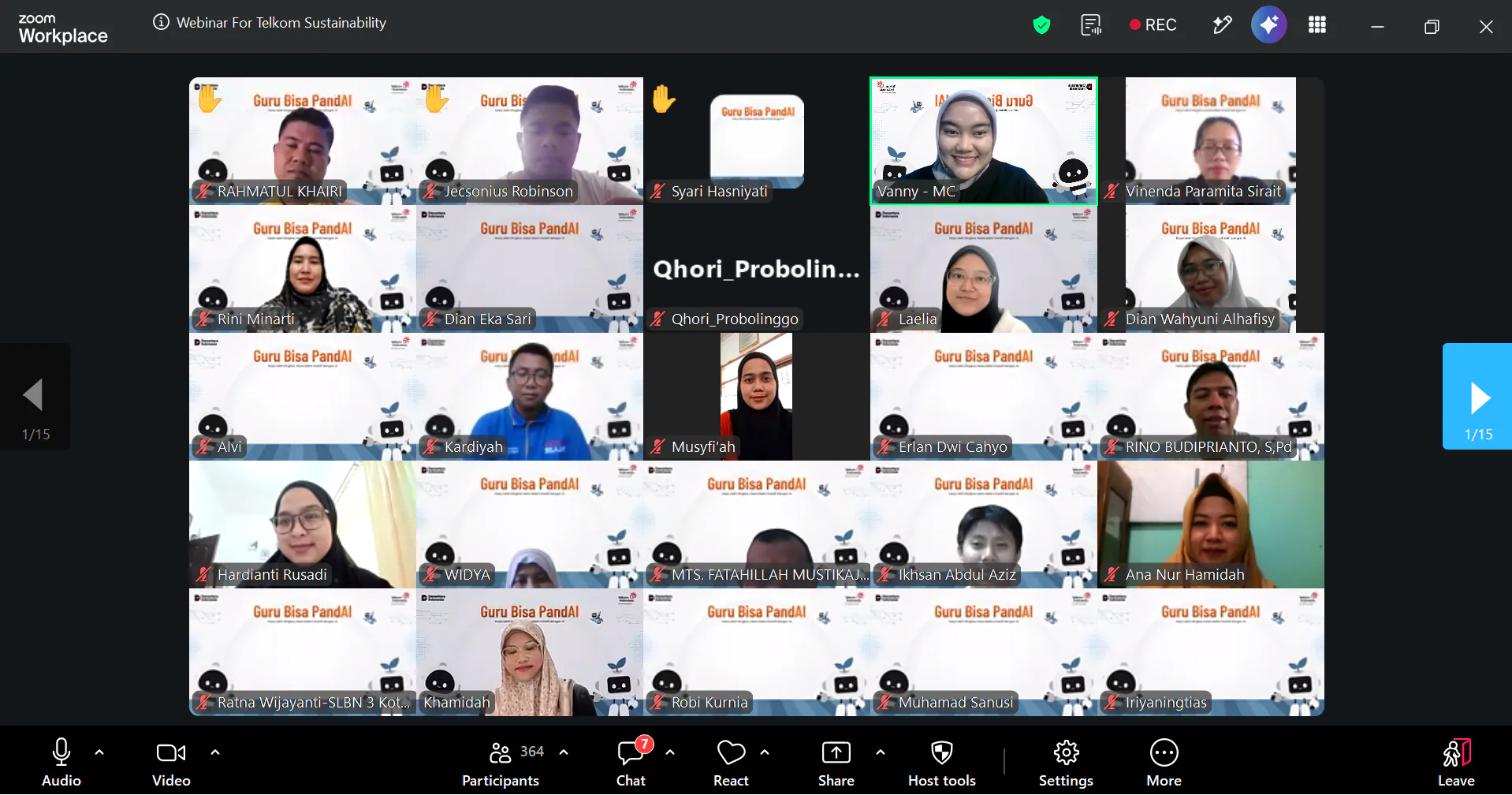
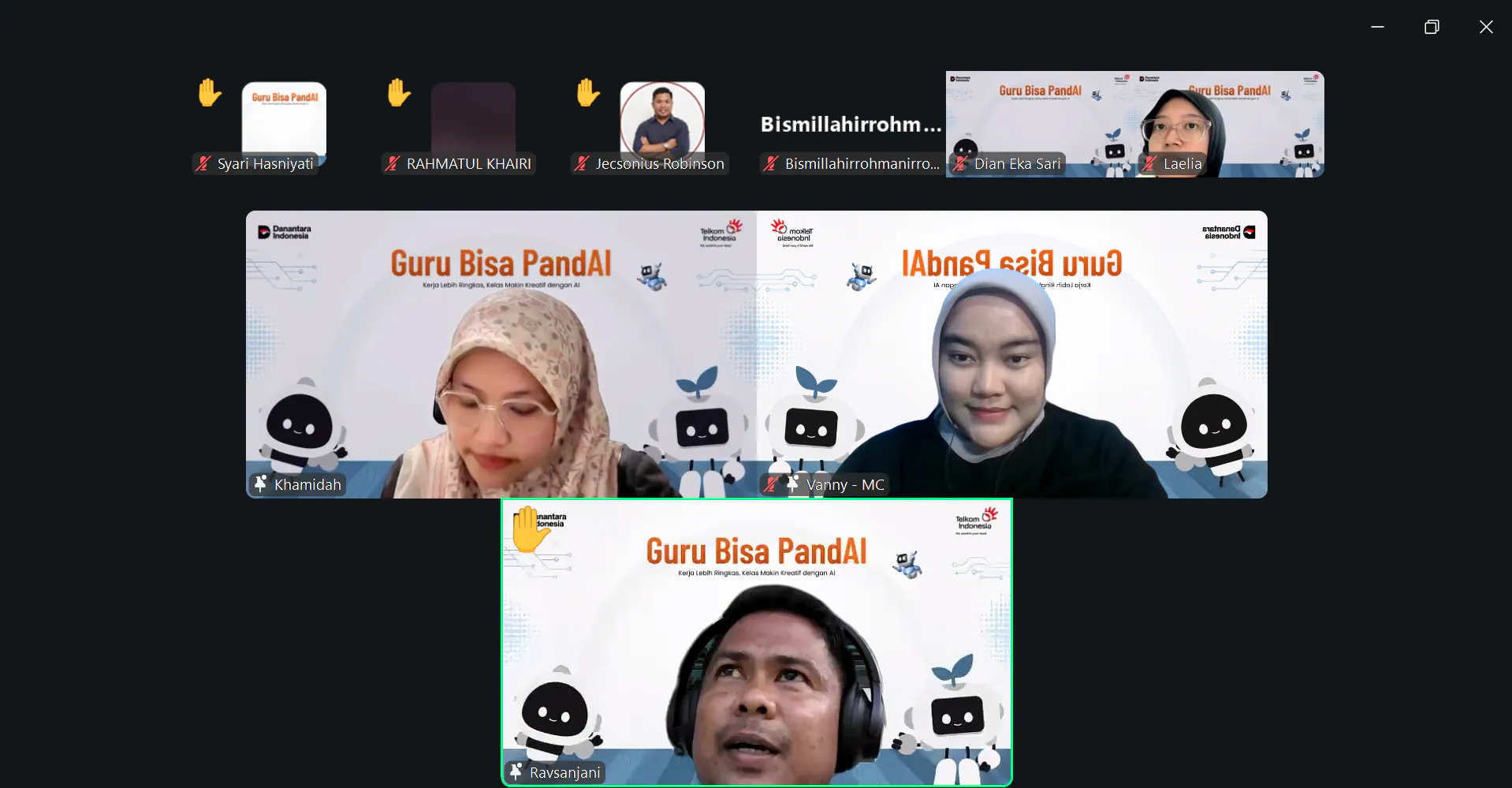
The program was implemented through a webinar titled AI utilization training, held online on August 8, 2026. This activity received strong enthusiasm, with 373 educators from across Indonesia attending to improve their skills in using artificial intelligence-based tools to support teaching and learning in the classroom.
"As a digital company, Telkom realizes that teachers are the spearhead of education. Through the Bisa PandAI pillar and the Bisa Mahir program, Telkom wants to provide support so that educators in Indonesia become more proficient in using technology, making the teaching and learning process more efficient, relevant, and enjoyable for students," said Hery Susanto, Senior General Manager of Social Responsibility at Telkom Indonesia.
This training is a concrete manifestation of Telkom Indonesia's Corporate Social and Environmental Responsibility (TJSL) implementation in supporting an education ecosystem that is adaptive to technological developments. This commitment aligns with the Sustainable Development Goals (SDGs), particularly SDG 4 on Quality Education, which encourages increased access to digital skills for a better future.
 Whatsapp
 Facebook
 X
X
 Copy News Link